


Dark Side of Popularity
Do You Want to Be a Popular Restaurant or a Great One?
In today’s overexposed, overliked, and overhyped food culture, popularity is easy to chase — and dangerously easy to fake. A viral video. A few influencers. A crowded weekend brunch. Suddenly, you’re “the place to be.” But here’s the real question that too few restaurateurs stop to ask:
Do you want to be a popular restaurant — or a great one?
Because the two are not the same.
1. Popularity Brings the Wrong Crowd (Sometimes)
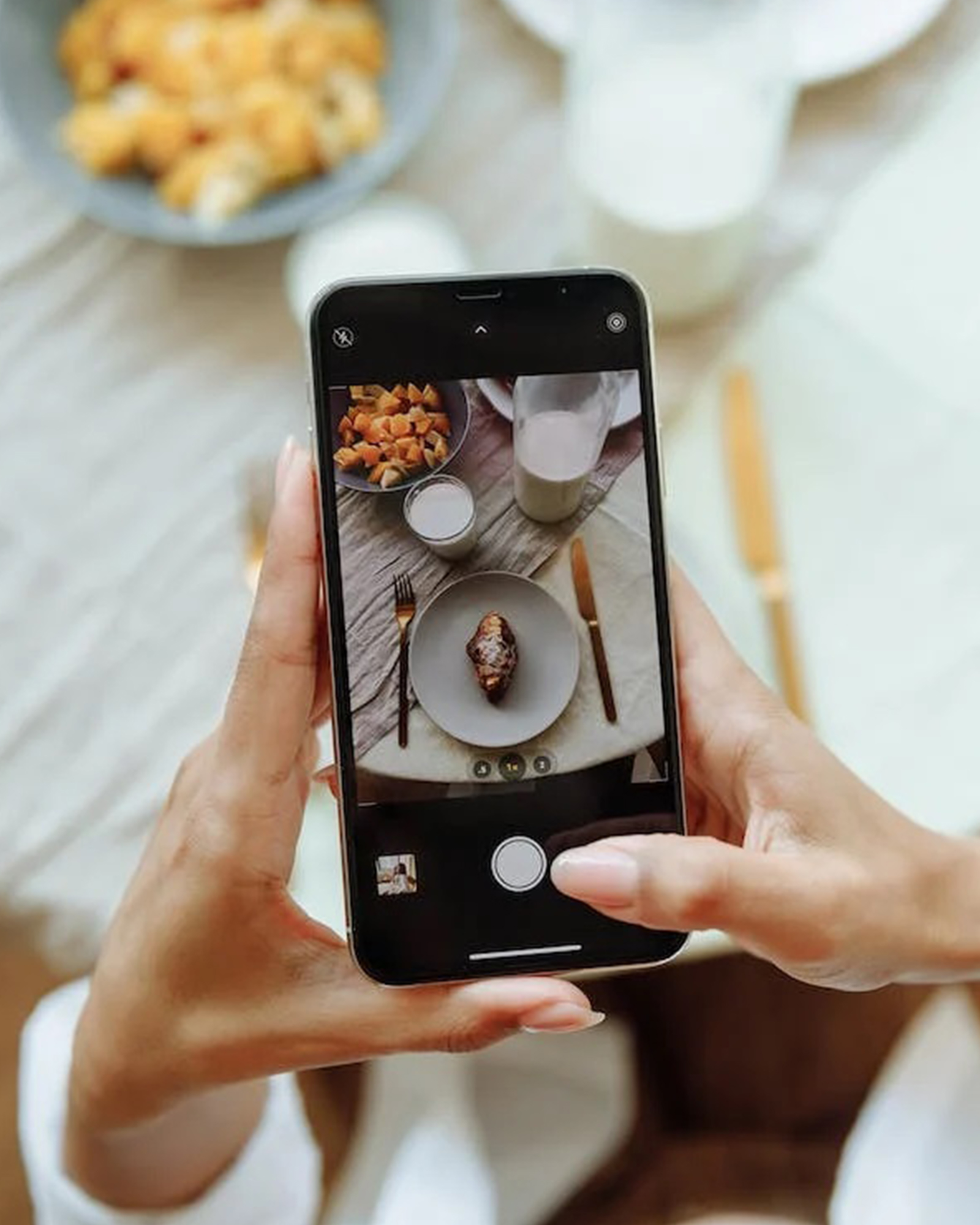
When a restaurant becomes hot, people often don’t show up because they care about the food, the experience, or the vision behind the concept. They come because they saw it on TikTok. They come because the lighting is perfect for selfies. They come because it’s the place to be seen — not the place to feel something.
What happens when your tables are filled with people who don’t actually care about what you set out to build? You stop building it. You start pandering. You adapt your playlist, your plating, even your service model, not for loyalty or excellence — but for optics.
And when that trendy wave crashes? The people you attracted will be the first to move on. As the saying goes, fast popular means fast unpopular.
2. Popularity & Influencers: A Modern-Day Chicken–Egg Paradox
Influencers have become the gatekeepers of restaurant attention. They bring crowds. They bring clicks. But let’s be honest: they often don’t know what they’re selling — and even less about who they’re selling to.
Many influencers today are generalists. They don’t study demographics. They don’t understand segmentation. They’ve never been asked to analyze data or interpret audience behavior. This creates a fundamental mismatch: you’re relying on someone to build your brand who has no framework for translating your brand’s needs to their audience.
And if popularity is something you genuinely want to incorporate into your strategy, then the influencer relationship needs to be professionalized. Restaurants need to collaborate with influencers who:
-
Understand the composition of their follower base
-
Can align your concept with audience behaviors
-
Offer measurable insights (not just likes and reposts)
Influencers without audience intelligence are like chefs without palates — loud, confident, and ultimately, useless.
3. Popularity Attracts Industry Giants — And Opportunists
When a restaurant becomes visible, it draws attention not just from diners, but from investors, developers, franchise groups, even food conglomerates. On paper, this can seem like a dream: expansion, media deals, growth capital. But behind the curtain, these opportunities often come with strings attached — ones that tie directly around the neck of your original vision.
Your menu gets simplified. Your design gets templated. Your food cost becomes king.
You stop being a craftsperson and become a product manager for your own concept.
The truth is, popularity invites opportunists. People who see your soul as an asset — to be molded, scaled, and monetized. And if you’re not firmly rooted in your “why,” they’ll help you forget it.
A 2020 study in Harvard Business Review notes that mission-drift in small creative businesses often begins after external capital enters the picture — and that without strong governance and boundaries, many founders lose control of their brand identity (O’Mahony & Lounsbury, 2020).
4. Awards, Lists & the Power Behind Recognition
Let’s address something quietly debated across chef circles, kitchen teams, and restaurateur forums: awards, lists, and who gets recognized.
It’s no secret that accolades like Michelin stars, “World’s Best” rankings, and national media lists can have a massive impact on a restaurant’s visibility, pricing power, and investor interest. For many, these milestones represent the pinnacle of achievement — and they can open incredible doors.
But increasingly, people are starting to ask:
Are these systems always rewarding excellence? Or are they reflecting relationships, timing, and narrative control?
It’s not necessarily about corruption — but it is about market mechanics. Just like film festivals or art biennales, restaurant awards are shaped by:
-
Media connections
-
Geographic visibility
-
PR strategy and storytelling
-
Sometimes, even regional lobbying or sponsorship dynamics
That doesn’t mean the awards are meaningless. Far from it. Many recipients are brilliant, hard-working, and deserving. But it does mean not being on the list doesn’t mean you’re not great. And being on the list doesn’t automatically mean you’re aligned with long-term sustainability, local relevance, or even guest loyalty.
In short: recognition is complex.
According to The Caterer (2023), restaurants in lesser-known regions or with hyper-local concepts often find it difficult to enter global lists due to lack of exposure, limited media access, or simply being outside the “network.”
“If you don’t have a PR machine or aren’t in a food capital, you’re simply less likely to be on the radar.”
– The Caterer, “Do Restaurant Awards Really Reflect Quality or Just Visibility?” (2023)
Similarly, Eater reported that despite efforts toward diversity and transparency, some awards still reflect social capital more than objective standards.
“You can have a world-class restaurant, but if you’re not part of the ‘circuit’ — industry events, tastings, influencer dinners — you’re unlikely to get attention.”
– Eater, “How Restaurant Awards Really Work — and Who Gets Left Out” (2022)
Meanwhile, researchers like Lane and Dubois (2010) have explored the sociological patterns of elite culinary recognition, showing how prestige ecosystems tend to replicate themselves — with recognition circulating among a select few due to existing institutional ties.
Lane, C., & Dubois, P.L. (2010). “Artisan and Luxury: The Cultural Economy of the Gastronomic Field.” Journal of Culinary Science & Technology, 8(2), 78–95.
There’s also increasing self-reflection within the awards institutions themselves. For example, the World’s 50 Best Restaurants made changes post-2019 to encourage regional diversity and eliminate repeat winners, signaling a move toward broader representation. Still, the criteria remain opaque, and many in the industry feel recognition is influenced more by who you know than what you do.
Greatness Is Slow. But It’s Real.
Great restaurants don’t explode — they evolve. They’re built one plate, one guest, one day at a time. They build communities. They create rituals. They serve not just food but memory, texture, and place.
Greatness is deliberate. Popularity is reactive.
You don’t need to be a cult hit on Instagram. You need to be someone’s favorite table on a rainy Tuesday.
So ask yourself again: Do you want to be popular — or do you want to be great?
References
-
Parsa, H. G., et al. (2005). Why Restaurants Fail. Cornell Hotel and Restaurant Administration Quarterly, 46(3), 304–322.
-
Jang, S. & Namkung, Y. (2009). Perceived quality, emotions, and behavioral intentions. International Journal of Hospitality Management, 28(4), 563–572.
-
O’Mahony, S., & Lounsbury, M. (2020). The collective dynamics of creative small business growth. Harvard Business Review.
-
Meyer, D. (2006). Setting the Table: The Transforming Power of Hospitality in Business. HarperCollins.
-
Keller, T. (2012). Bouchon Bakery. Artisan.
-
Lane, C., & Dubois, P. L. (2010). Artisan and Luxury: The Cultural Economy of the Gastronomic Field. Journal of Culinary Science & Technology, 8(2), 78–95.
-
The Caterer (2023). “Do Restaurant Awards Really Reflect Quality or Just Visibility?” Retrieved from thecaterer.com
-
Eater (2022). “How Restaurant Awards Really Work — and Who Gets Left Out.” Retrieved from eater.com
-
World’s 50 Best Restaurants (2019). “Changes to Voting and Recognition Framework.” Retrieved from theworlds50best.com


