


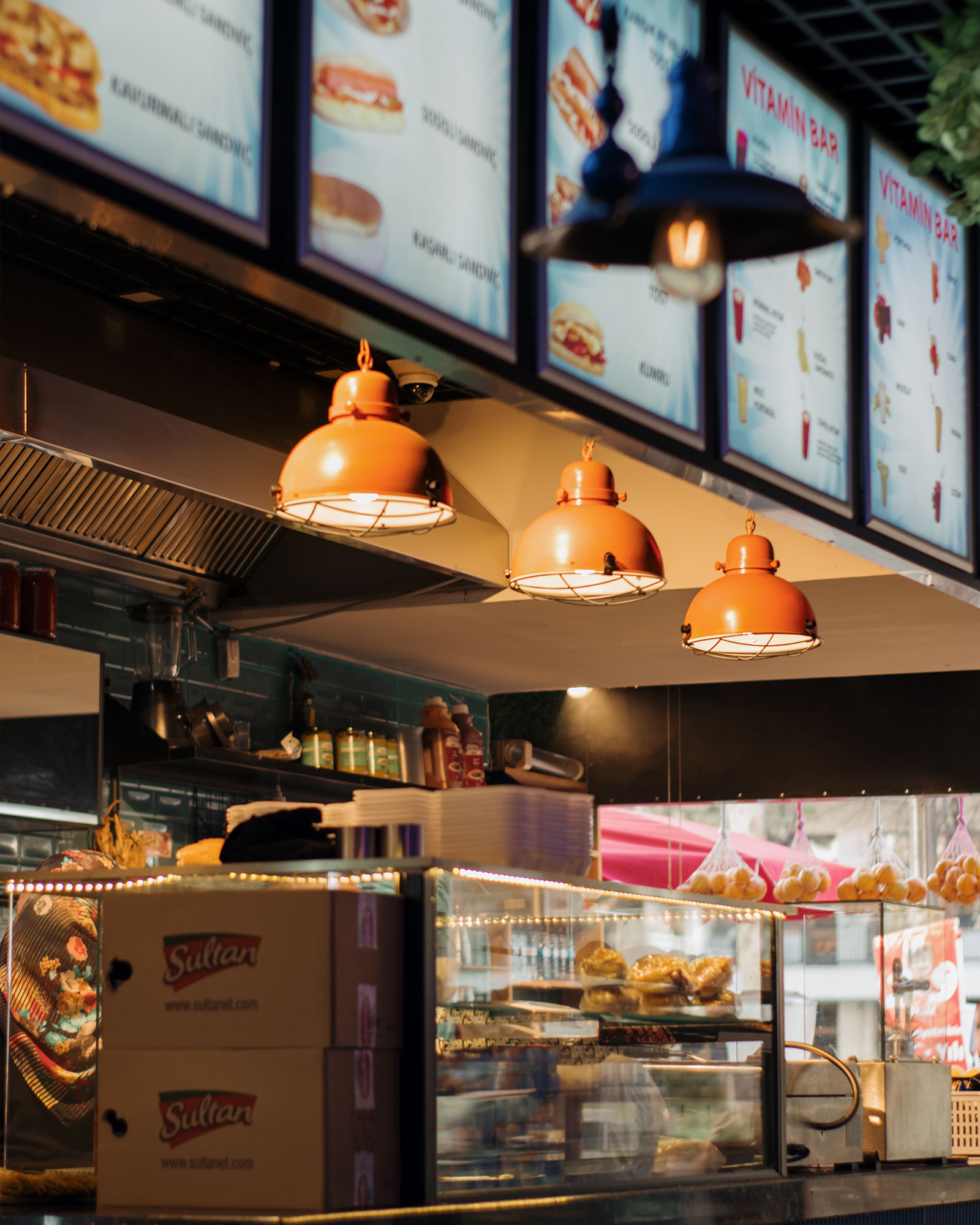
Chain vs Freedom
The Visionary’s Crossroads: Building a Culinary Stage vs. Buying a Corporate Formula
For the visionary boutique hospitality investor, the decision to launch a culinary space is rarely a simple operational calculation; it is a profound choice between building an uncompromised sensory stage or buying into a rigidly defined corporate formula. At Feel Culinary Sense Designer, we do not evaluate the independent venue versus the franchise path through standard operational spreadsheets alone. We evaluate this crossroad through the uncompromising lens of sensory experience, human psychology, and memory creation. While franchises may offer the illusion of safety in numbers, the true future of boutique hospitality lies in depth and emotional resonance, not sheer size. To understand which path yields a profoundly profitable and unforgettable venue, we must dissect the tension between mass-market replication and bespoke, human-centered design.
Sensory Autonomy vs. Standardized Replication
Creating an independent venue is akin to facing a blank canvas: it demands rigorous strategic knowledge from the visionary, but it grants absolute sensory autonomy. When you possess the expertise, this control allows you to engineer an immersive masterpiece, dictating the precise tactile feedback of the dining tables, the acoustic frequencies that allow intimate conversations to thrive, and the exact ambient illumination that enhances the visual appeal of the cuisine. In stark contrast, the franchise model operates as a guided, restricted coloring book bound entirely by mass-market scalability. Even if your culinary expertise reveals that the corporate-mandated seating fabric destroys the tactile experience or the standardized lighting casts harsh shadows, you cannot tweak the environment without navigating heavy bureaucracy. In a franchise, the space is merely decorated for uniformity, meaning you are operating someone else’s machine and trading creative wonder for rigid predictability.
Agility vs. Bureaucratic Rigidity
This rigid uniformity directly impacts operational agility, which remains the true advantage of the boutique, independent venue. The inherent problem with massive corporate entities is the friction of bureaucracy; the larger the hospitality group, the harder it is to make decisions, let alone enact meaningful change. If an independent operator observes a shift in hyper-local tastes, a decision is made, it triggers an immediate reaction, and the living, breathing space adapts effortlessly. Conversely, introducing a trending seasonal local ingredient or subtly altering a franchise’s spatial flow to better capture a room’s energy requires navigating a labyrinth of red tape and waiting for system-wide approvals. By the time the corporate monolith reacts to a shift in consumer behavior, the moment, and the customer’s attention, has entirely passed.
Deep Emotional Loyalty vs. Immediate Recognition
Beyond agility, the core differentiator lies in the hard science of cognitive neuroscience and multisensory integration. According to Quak et al. (2015), human memory is not a passive recording; it is actively constructed through layered sensory inputs. Cognitive neuroscience reveals that when diverse stimuli—such as the ambient smell of a wood fire, the contrasting texture of raw stone, and the acoustic crunch of a perfectly executed dish, are processed simultaneously, they bypass the analytical brain to form profound, episodic memories (Seitz et al., 2020). A meticulously curated independent space leverages these neurological triggers to cultivate fierce, deep emotional loyalty, transforming every visit into a standalone memory.
Franchises, however, rely purely on immediate brand recognition; the customer knows exactly what they will get, but the predictable, mass-produced environment rarely stimulates the emotional arousal necessary to imprint a lasting episodic memory (ResearchGate, 2026). It satisfies a baseline craving, but it does not forge a lasting psychological anchor (SciSpace, 2026). Research consistently indicates that highly multisensory environments actively reshape our neural pathways, establishing high-detail culinary design as a legitimate, powerful catalyst for long-term customer devotion and neuroplastic healing (Strang, 2024).
The Architecture of Profitability
When examining the architecture of margins, the financial realities of both models paint a stark picture of risk and reward. Franchises undeniably offer a plug-and-play operational model with pre-built supply chains, leveraging bulk purchasing power to secure food costs that are typically 5% to 14% lower than what independent operators pay for identical supplies (Apicbase, 2026). Additionally, franchises often generate higher average sales volumes, hitting approximately $3.5 million annually compared to $2.3 million for average independents (Franchise Direct, 2026).
However, this corporate safety net extracts a continuous, heavy toll through ongoing royalty and marketing fees that strip 8% to 11% directly off your gross sales—paid off the top before rent, labor, or ingredients are even factored in (EatBreadless Blog, 2026; Tipalti, 2026). While median franchise net profit margins sit between 4% and 9% compared to the independent average of 3% to 6% (BVWire News, 2026; GrowthFactor.ai, 2026), an independent venue allows the visionary investor to retain absolute control over their margins. Independents face higher initial hurdles in building individual supplier relationships from scratch, but by leveraging uncompromised sensory design to command premium pricing, their ultimate profitability is entirely uncapped. For the culinary visionary aiming to create a highly detailed, emotionally resonant space, independence is the only viable path to engineering a profoundly profitable, unforgettable culinary stage.
Works Cited
- Apicbase. (2026, July 18). How to control food cost in a multi-site restaurant operation. Apicbase.
- BVWire News. (2026). Franchise vs. independent restaurants: What DealStats data actually show. BVWire News.
- EatBreadless Blog. (2026). Food franchise royalty fees: 2026 complete guide. EatBreadless Blog.
- Franchise Direct. (2026, March 23). Restaurant franchise performance vs independent competitors: What the data shows. Franchise Direct.
- GrowthFactor.ai. (2026, February 25). Average cost to buy a franchise: 2026 investment guide. GrowthFactor.
- Quak, M., et al. (2015). A multisensory perspective of working memory. Frontiers in Human Neuroscience.
- ResearchGate. (2026). Do experiential destination attributes create emotional arousal and memory?: A comparative research approach. ResearchGate.
- SciSpace. (2026). Reconsidering therapeutic action: Loewald, cognitive neuroscience and the integration of memory’s duality. SciSpace.
- Seitz, R. J., et al. (2020). Bridging the gap between believing and memory functions. Europe’s Journal of Psychology.
- Strang, N. (2024). Stirring the senses: A culinary model of neuroplastic healing in expressive arts therapy. DigitalCommons@Lesley.
- Tipalti. (2026, June 16). Franchise royalty fees: A practical guide to calculation and payments. Tipalti.


