


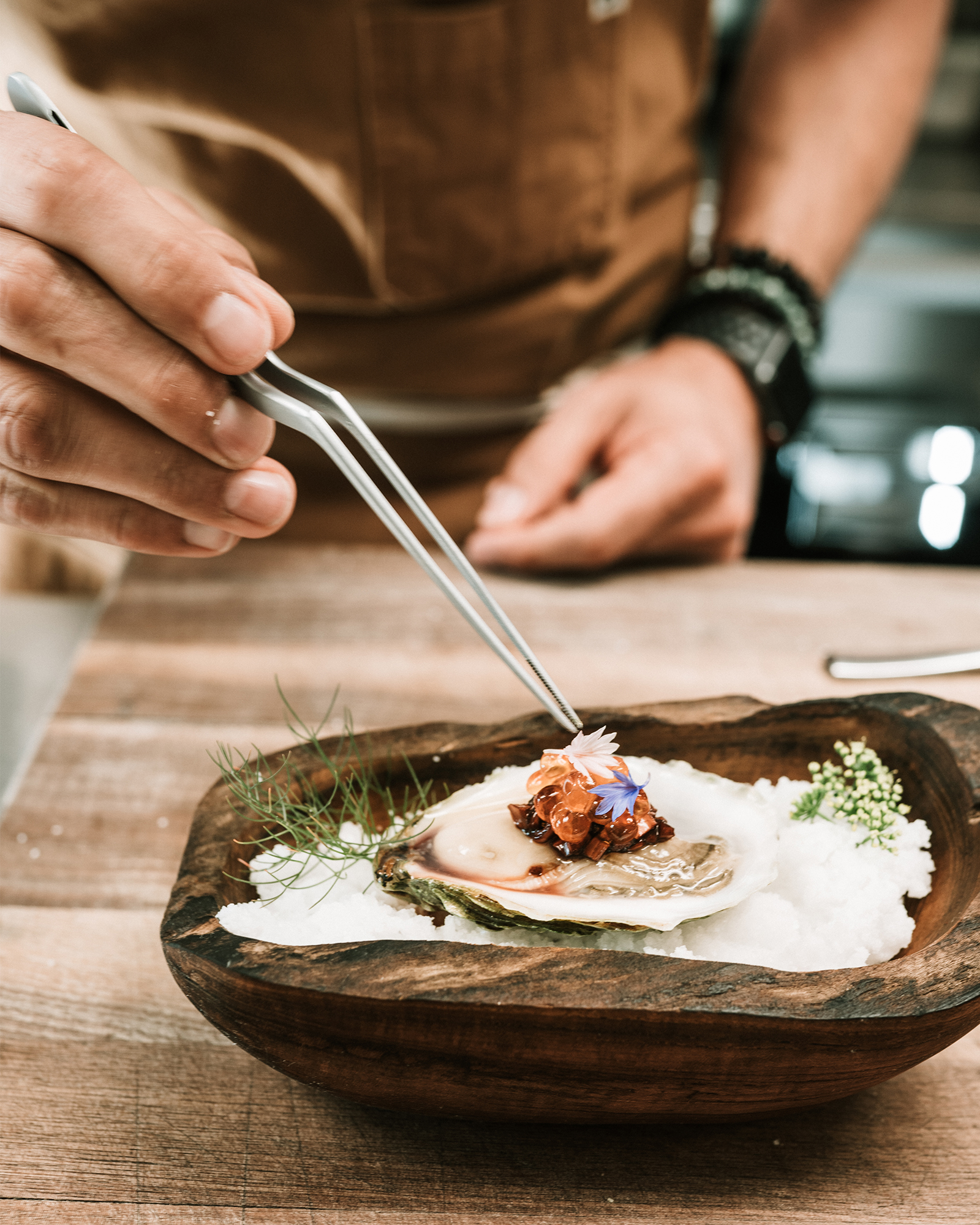
Going Casual or Upscale
Casual vs. Upscale Restaurants: Investment Pros & Cons
The restaurant industry offers a broad spectrum of investment opportunities, from fast-casual eateries to fine dining establishments. But before you jump into your next culinary venture, it’s critical to evaluate which type of restaurant aligns best with your financial goals and risk appetite. This post compares casual and upscale restaurants across four key dimensions: investment, management, staffing, location, and profitability.
Initial Investment
-
Casual Restaurants: The average startup cost ranges between ₺750,000 to ₺1,800,000, depending on size and equipment level. These restaurants typically have lower decor budgets, moderate kitchen setup costs, and leaner menus. They are often located in mixed-use areas or strip malls, reducing real estate costs.
-
Upscale Restaurants: The initial investment can soar to ₺3,000,000 to ₺10,000,000, especially in urban or high-profile neighborhoods. Higher costs stem from premium interior design, advanced kitchen equipment, trained sommeliers, high-end tableware, and custom branding elements.
Management Complexity
-
Casual Restaurants: Often built around efficiency and speed, casual restaurants are easier to manage. Menu complexity is low, and technology (like POS-integrated self-ordering) reduces the burden on management. Turnover is frequent, but the training required is lighter.
-
Upscale Restaurants: These require highly skilled management to coordinate reservations, wine lists, multi-course menus, and impeccable guest service. It often necessitates a General Manager, Executive Chef, Sous-Chef, FOH Manager, and possibly a Sommelier. Coordination is more hierarchical and labor-intensive.
A study published in the Cornell Hospitality Quarterly found that upscale restaurants spend 26–30% more time on staff training and oversight than casual establishments.
Staffing & Labor
-
Casual: Labor costs typically range from 25% to 30% of revenue. Staff are generally cross-trained, and tip pooling is common. Employee retention is a challenge but manageable due to low complexity.
-
Upscale: Labor costs can exceed 35%, as upscale dining requires skilled cooks, servers with product knowledge, and polished guest handling. Labor laws and overtime costs are also more pressing at this level.
According to the Bureau of Labor Statistics, fine dining servers earn up to 50% more in tips and wages compared to casual dining servers.
Location & Real Estate
-
Casual: Flexible on location. Can thrive near schools, malls, business districts, or suburbs. Rent per square foot is usually moderate, ranging from $20–$40/year depending on the city.
-
Upscale: Success hinges on visibility and foot traffic in affluent or tourist-heavy areas. Rent can be $60–$120/sqft/year, and location often becomes a brand attribute in itself (e.g., rooftop or historic venues).
Example: In Istanbul’s Nişantaşı district, upscale restaurants pay 2–3x the rent of casual eateries in Kadıköy, yet enjoy higher footfall from high-income patrons.
Profitability & ROI
-
Casual: Margins are typically 10–15%, with break-even timelines of 18–24 months. The model allows for scalability (chains, franchises) and resilient demand during economic downturns.
-
Upscale: Margins are 4–8%, as food cost, décor, labor, and wastage are high. Break-even can take 3–5 years. However, when positioned correctly, they can generate prestige, awards (Michelin stars), and long-term brand value.
The National Restaurant Association notes that over 70% of upscale independent restaurants close or change concept within 5 years, compared to 45% of casual restaurants.
So, What Should You Do?
If you are a first-time investor, or if your primary goal is profitability, scalability, and faster ROI, a casual restaurant is the more financially sound decision. It offers lower entry barriers, higher operating margins, and is adaptable to changing consumer trends. However, if your vision leans toward culinary artistry, prestige, and unique experiences—and you have the capital and patience to endure a longer break-even period—an upscale restaurant can be a rewarding legacy project. Ultimately, success lies in market understanding, concept execution, and operational excellence—regardless of the format.


